
Explore • Enjoy • Experience
Best Time to Visit New Zealand: Seasons, Weather and Crowds
Choose when to visit New Zealand with practical advice on seasonal weather, daylight, school holidays and matching each island to your plans.
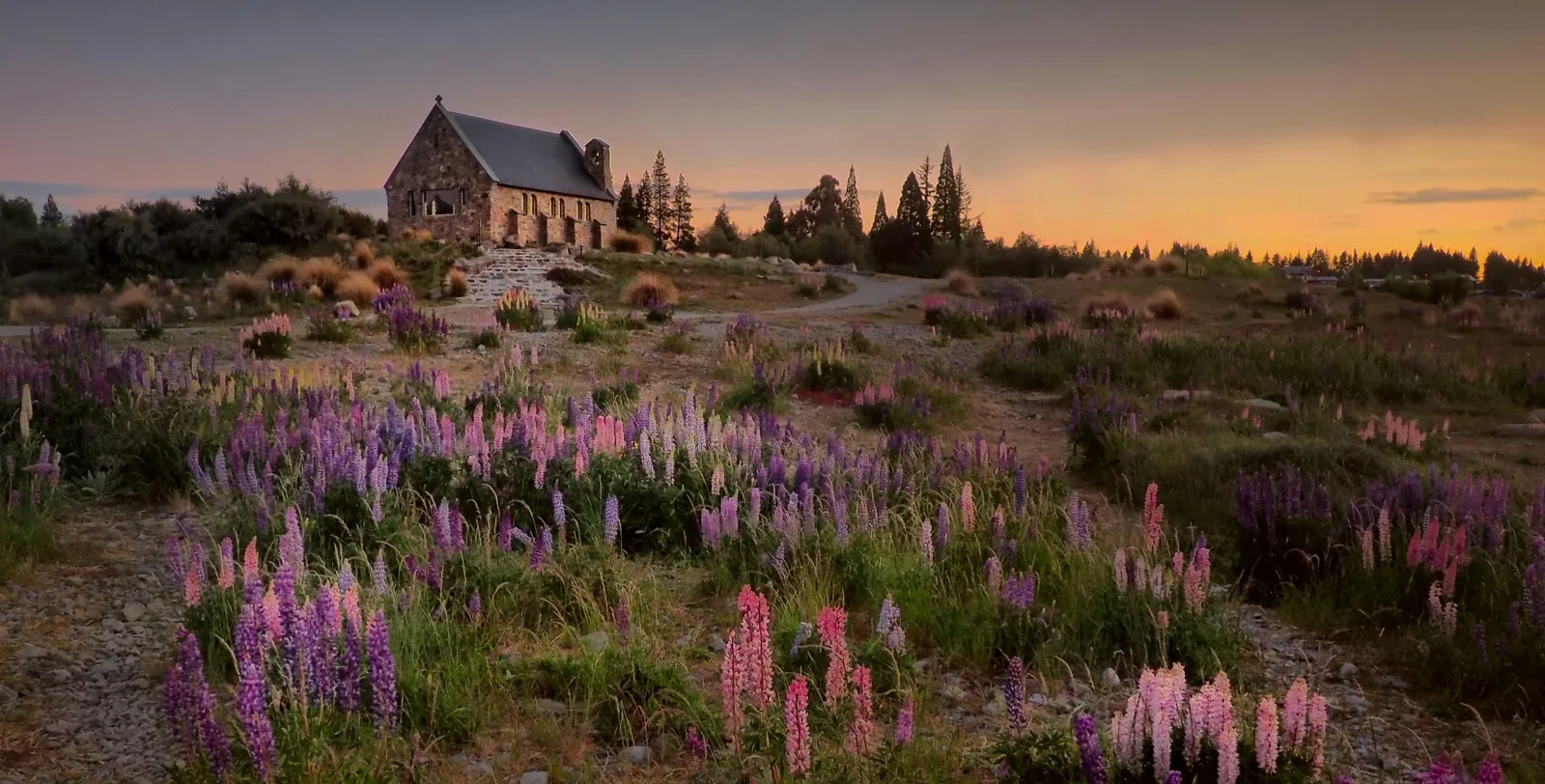
Choose your activities before choosing a month
The best time to visit New Zealand depends on what you want to do. Summer suits long outdoor days and coastal stays; winter suits a trip built around skiing. Neither season guarantees clear mountain views, and a beach-focused itinerary needs different expectations from a city-and-scenery holiday.
New Zealand’s seasons are opposite to those in the northern hemisphere. Summer runs from December to February, autumn from March to May, winter from June to August and spring from September to November. Check conditions for your actual regions rather than treating a national seasonal summary as a forecast.
Summer: longer days, but more competition for space
December to February offers long daylight hours, particularly in the southern South Island. Coastal North Island bases and Southern Lakes towns suit this season, but rain, strong sun and sudden temperature changes still belong in your packing plan.
The Christmas and New Year period overlaps with domestic holidays. Arrange important overnight stops and independently operated activities early where possible, and check current school holiday dates. Popular beaches, walking tracks and small-town accommodation can feel busy even when the surrounding landscape looks empty.
Autumn and spring: useful compromises, not secret seasons
March and April can work well for walking, food and wine interests, with shorter days as autumn progresses. Arrowtown and Central Otago are known for autumn colour, but its timing changes each year. Easter can interrupt any expectation of a quiet shoulder-season trip.
Spring brings changeable weather, and snow can remain on mountain tracks after lowland towns have warmed up. September is not automatically a hiking alternative to January. Ask DOC about the specific track you intend to walk and keep a lower-altitude option available.
Winter: build the route around daylight and road conditions
June to August can suit snow sports and a slower mix of towns, galleries and scenic outings. Ski-field opening dates and operating days depend on conditions. Mountain access roads may require chains, and an ordinary rental vehicle does not remove the need to understand when and how to use them.
Shorter daylight makes ambitious sightseeing transfers less practical. Stay longer in fewer places and check NZTA road conditions before travelling. A winter visit to Queenstown can be rewarding without making every day a ski day or assuming every alpine road will be open.
Turn seasonal preferences into a workable booking plan
Check MetService forecasts close to travel, then adjust individual days rather than expecting a monthly average to predict your holiday. Pack waterproof outerwear, warm layers and sun protection in every season. Leave room to move a weather-dependent activity when the operator’s terms allow.
Go Kiwi Tours can help shape a custom itinerary around your dates and assist with choosing suitable towns and stays; you book your own accommodation. Ask for a private-driver quote or self-drive car hire terms before committing to a route. Transport arrangements cannot guarantee weather or access.
Plan with Go Kiwi Tours
Check current information
Roads, tracks and attraction arrangements can change. These planning sources are not guarantees of access, availability or travel time.
Plan your private journey
Share your dates, pickup point, group size and interests. Go Kiwi Tours confirms availability, transport and inclusions in your quote; an enquiry is not a confirmed booking.
Read guest reviews on Google · Private custom tours & vehicles · Airport transfers