
Explore • Enjoy • Experience
North Island vs South Island: Choose Your Trip
Compare New Zealand’s North and South Islands by travel style, scenery, driving demands and trip length before deciding on one island or both.
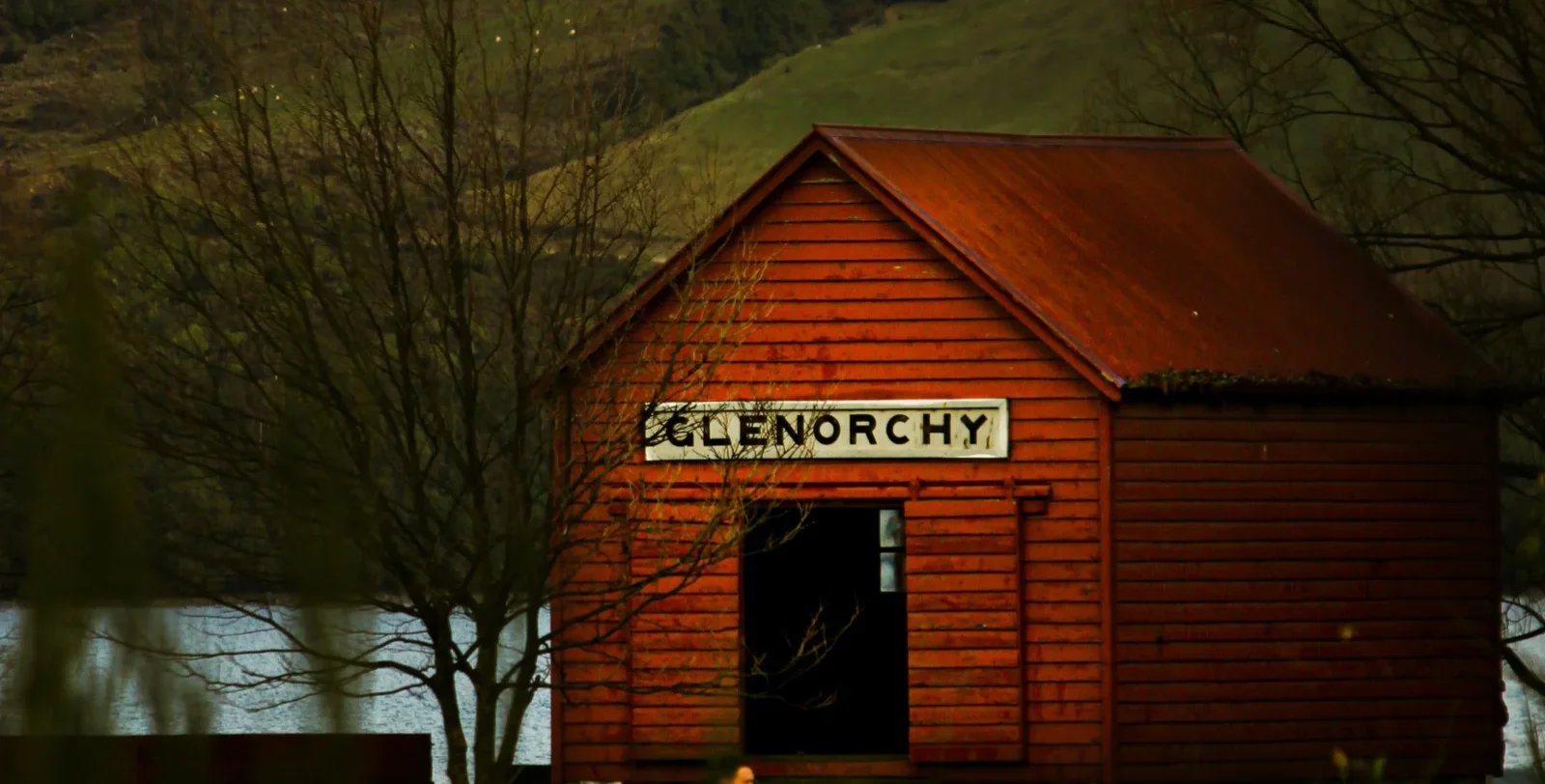
Compare the holiday you want, not a winning island
North Island vs South Island is most useful as a question about your interests. The North Island offers accessible combinations of cities, geothermal areas, Māori cultural experiences and coast. The South Island suits travellers drawn to alpine landscapes, lakes and longer scenic road journeys.
These are broad planning differences, not strict boundaries: both islands have beaches, mountains, wine regions and urban stops. Pick two or three experiences that matter most, then work backwards to an arrival airport and a realistic number of bases.
Choose the North Island for variety around cultural and city stops
Auckland, Rotorua and Taupō can form a compact introduction, with city time, geothermal landscapes and lake scenery. Wellington adds museums, food and a different urban setting, but also extends the route well beyond a simple Auckland return.
For Māori cultural experiences, choose experiences offered by Māori operators and follow local guidance. Do not treat living communities as sightseeing exhibits. The Bay of Islands and Coromandel offer coastal alternatives, but including them means allowing extra days rather than treating them as nearby Auckland neighbourhoods.
Choose the South Island for mountain-focused travel
Christchurch, the Mackenzie region and Queenstown make a coherent inland route. Fiordland needs its own time allowance, while the West Coast introduces a different road corridor. Trying to add all of these to a short trip often turns scenery days into long transfers.
Outdoor ambitions need a weather alternative. Aoraki / Mount Cook may be hidden by cloud, and a scenic flight may not operate on your chosen day. The South Island still offers towns, museums and shorter outings, but they need to be part of the plan rather than improvised after every cancellation.
Compare driving effort and the island transition
Neither island is a motorway-only destination. The North Island has winding rural roads as well as busy urban traffic; the South Island has alpine passes, exposed roads and long stretches between services. Confidence, daylight and season matter more than the island label.
A domestic flight can preserve sightseeing time when visiting both islands. A Cook Strait ferry connects Wellington and Picton, but requires terminal time and a suitable onward route. Check current rental terms before assuming a vehicle may travel on the ferry or be returned on the other island.
Use a simple decision rule for your available nights
For a week, choose the island with the strongest match to your interests and explore a limited area. Around two weeks can support both islands if you select highlights. Travellers who dislike repacking may still prefer a deeper one-island holiday over a two-island checklist.
Go Kiwi Tours operates New Zealand-wide and can discuss a private-driver route or self-drive car hire by quote. Share your priorities, preferred walking level and tolerance for travel days. A useful proposal should explain what to leave out as clearly as what to include.
Plan with Go Kiwi Tours
Check current information
Roads, tracks and attraction arrangements can change. These planning sources are not guarantees of access, availability or travel time.
Plan your private journey
Share your dates, pickup point, group size and interests. Go Kiwi Tours confirms availability, transport and inclusions in your quote; an enquiry is not a confirmed booking.
Read guest reviews on Google · Private custom tours & vehicles · Airport transfers